Before You Throw It Away, Ask: What Could It Become?
Recycling, upcycling, and the hidden value of things we already own.
By Lisette Fernandez, CPO & Co-Founder, Curiyo.io · · 7 min read
We live in a world where it's often easier to replace something than to repair it. A chair develops a scratch, a favorite sweater goes out of style, or an old piece of furniture no longer fits our space. Our first instinct? Replace it.
But what if we looked at these objects differently?
What if, instead of asking, “Do I still need this?” we asked, “What value does this still hold?”
That simple shift in perspective could change not only how we consume, but also how we think about sustainability, ownership, and the things we surround ourselves with.
The Value We Overlook
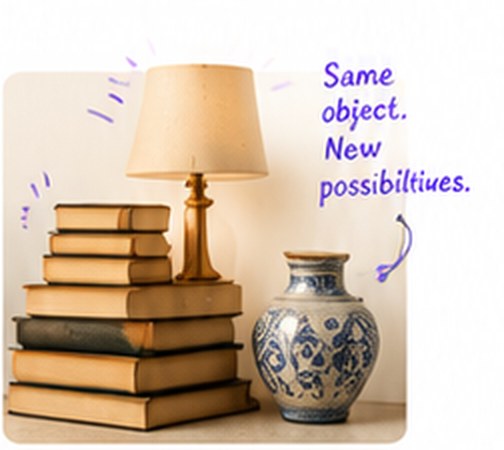
Think about the things sitting in your attic, garage, or closet.
An old wooden dresser. A collection of glass jars. A vintage lamp that hasn't been switched on in years. Clothes that no longer fit your style.
To some, these may look like clutter. To others, they could be useful materials, creative opportunities, or even valuable finds.
We often associate value with the price of something new. But an item's worth doesn't necessarily disappear when its original purpose ends.
A solid wood table might need refinishing rather than replacing. An old piece of clothing could become something entirely new. A vintage object might have a resale market you never knew existed.
Sometimes, the value is financial. Sometimes, it's practical. And sometimes, it's the history, character, or personal meaning an object carries.
The important thing is recognizing that an item's usefulness and its value can evolve.
Recycling vs. Upcycling: What's the Difference?
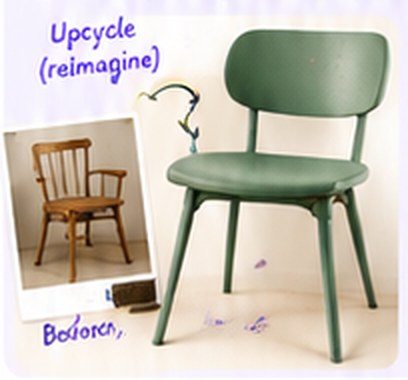
We often use the words recycling and upcycling interchangeably, but they represent two different ways of extending the life of materials.
Recycling involves processing discarded materials into raw materials that can be used to manufacture new products. Think of aluminum cans being melted down to create new cans, or paper being processed into recycled paper products.
Upcycling, on the other hand, is about transforming an existing item into something useful or desirable, often without breaking it down into its original materials.
Imagine turning an old wooden ladder into a bookshelf, transforming vintage fabric into decorative cushions, or restoring a weathered dresser into a beautiful statement piece.
Both approaches can help reduce waste and the demand for new resources. But upcycling invites us to go a step further: to see possibilities where we previously saw limitations.
It asks us to be creative with the resources already available to us.
The Most Sustainable Purchase Might Be the One You Don't Make
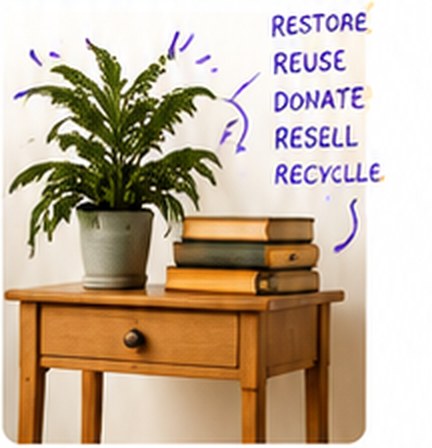
Sustainability conversations often focus on buying better products: reusable packaging, eco-friendly materials, responsibly sourced furniture, and more.
These choices matter. But there's another, often overlooked opportunity.
Using what we already have for longer.
Every new product requires resources to manufacture, package, and transport. Extending the useful life of an existing item can reduce the need for a replacement and the environmental impact associated with producing one.
Consider a dining table.
After years of use, its surface may be scratched, its finish faded, and its design no longer fashionable. Replacing it might seem like the obvious choice.
But sanding, refinishing, or repairing that same table could give it another decade of use.
The result? A refreshed piece of furniture, money potentially saved, and one fewer item unnecessarily discarded.
Of course, restoration isn't always the right decision. Some repairs cost more than replacements, and certain items may no longer be safe or practical to use.
The goal isn't to keep everything forever.
It's to make more informed decisions before deciding that something has reached the end of its life.
When Old Becomes Valuable Again
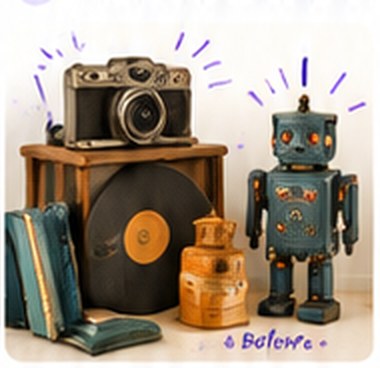
One of the most fascinating things about value is how much it changes over time.
What was once considered outdated can become desirable again.
Vintage furniture, classic watches, older ceramics, and secondhand clothing are examples of categories where changing tastes, craftsmanship, scarcity, and nostalgia can influence demand.
An old chair might be worth more to someone who appreciates its mid-century design. A discontinued piece of dinnerware might be exactly what a collector needs to complete a set.
This is where understanding what we own becomes especially important.
Imagine discovering a beautiful old wooden cabinet in your basement. You could paint it, repurpose it, sell it, donate it, or recycle its materials.
But before making that decision, wouldn't you want to know what it actually is?
Who made it? How old is it? Is it mass-produced, handcrafted, or potentially collectible? Would restoring it increase its value, or could modifying it diminish its appeal?
Upcycling can create new value, but sometimes preserving an item's original character is the better choice.
Knowing what you have allows you to make a more thoughtful decision about what it could become.
Five Ways to Rediscover Value in What You Own
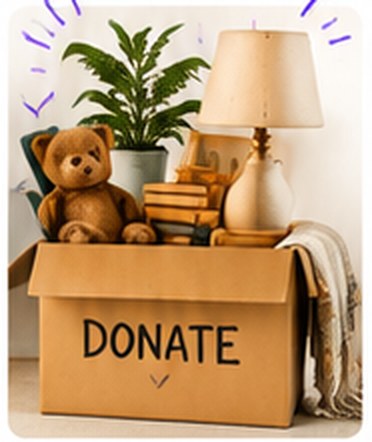
Building a more sustainable relationship with our possessions doesn't require a dramatic lifestyle change. It can begin with a few simple habits.
Rediscover before you replace. Before buying something new, take another look at what you already own. You might have an item that can serve the same purpose with a little creativity.
Repair before you discard. A broken zipper, loose furniture joint, or damaged finish doesn't always mean the end of an item's useful life. Small repairs can make a meaningful difference.
Understand before you transform. Not every object benefits from an upcycling project. Vintage, antique, or collectible items may lose financial value if they are heavily modified. Research what you have before making irreversible changes.
Resell, donate, or exchange. Something you no longer need could be exactly what someone else is looking for. Giving objects a second owner can extend their useful lives without requiring new materials.
Recycle when reuse is no longer practical. When something genuinely cannot be repaired, reused, or repurposed, recycling may help recover some of its material value. Check local recycling rules, since not every material is accepted or recyclable in every community.
The common thread? Make disposal a considered decision rather than an automatic one.
From a Throwaway Culture to a Circular Mindset
For decades, much of our consumption has followed a simple pattern:
Buy. Use. Discard. Replace.
But there's another way to think about ownership.
A circular mindset focuses on keeping products and materials useful for as long as reasonably possible, through maintenance, repair, reuse, resale, refurbishment, and eventually recycling.
Instead of seeing ownership as a straight line from purchase to disposal, we begin to see it as a series of opportunities to preserve or create value.
A jacket can be repaired, passed along, or redesigned. A dining table can move from one home to another. A collection of unused objects can become someone else's treasured finds.
And along the way, we begin to realize something important:
An object doesn't necessarily lose its value simply because we no longer need it.
Its next chapter may belong to someone else.
Understanding Value Is the First Step Toward Preserving It
This brings us to a question that sits at the heart of Curiyo.io:
How can we make better decisions about our possessions if we don't truly understand what we own?
When we know more about an item's identity, condition, history, and potential market value, we're better equipped to decide whether to keep it, restore it, repurpose it, sell it, or pass it along.
And value isn't always measured in dollars.
Sometimes it's the usefulness of an object that still has years of life ahead. Sometimes it's the resources saved by avoiding an unnecessary purchase. And sometimes it's a story worth preserving.
At Curiyo.io, we believe understanding the things we own is the beginning of discovering what makes them valuable.
Because preserving value isn't just about holding on to things.
It's about recognizing their potential and making informed choices about what happens next.
A Second Life Starts With a Second Look
The next time you're about to throw something away, take a moment.
Look at it again.
Could it be repaired? Could it be transformed? Could someone else use it? Might it be worth more than you think?
Not every old object is a hidden treasure. And not everything deserves to be saved.
But every object deserves a moment of consideration before we decide its story is over.
After all, the most sustainable thing we own may simply be the thing we choose to value a little longer.
 Curiyo.io™
Curiyo.io helps you discover, understand, organize, and protect the value of the things you own. Because sometimes, discovering value begins with taking a second look.
Discover more at Curiyo.io